Online Loans vs. Credit Cards: Which Is Better?
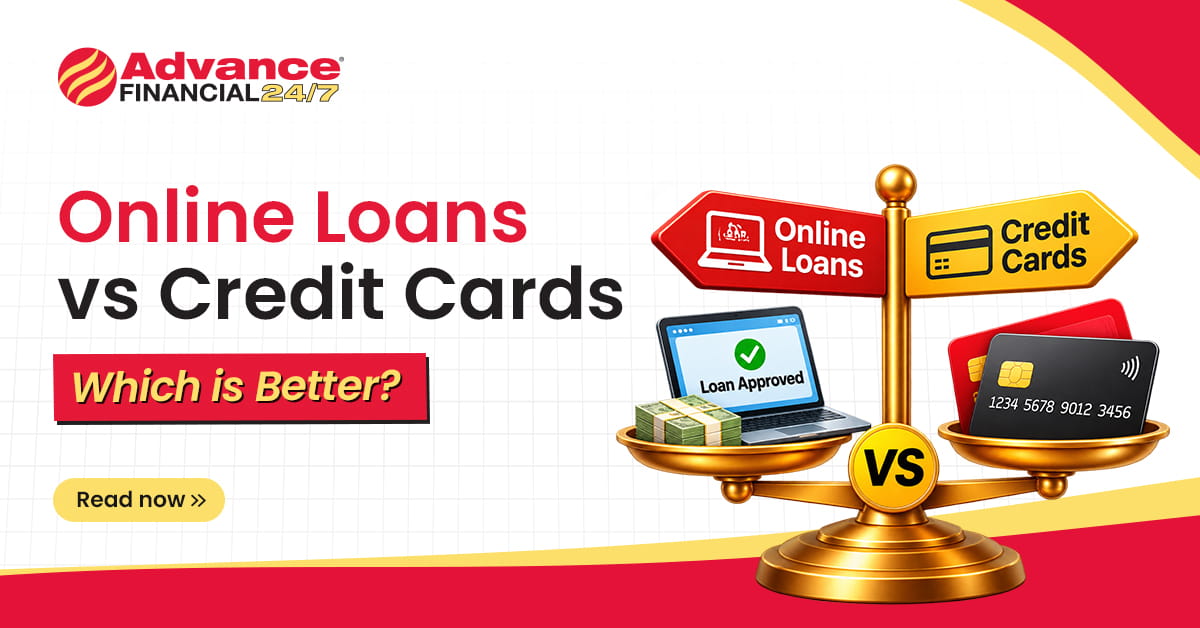
Your car needs a repair, an appliance quits working, or a bill arrives that you weren’t expecting. If your savings won’t cover it, you may find yourself comparing an online loan with a credit card.
Both can help pay for an expense, but the way you borrow and repay the money can be different. One may cost less, while the other may offer a payment schedule that works better for your budget. When weighing credit cards vs online loans, the details of the offer matter more than the label.
Here’s what to consider before you decide.
Understanding Online Loans vs Credit Cards Differences
An online loan is borrowing you apply for over the internet. However, online lenders offer different products, so you shouldn’t assume they all work the same way.
An installment loan generally provides a lump sum that you repay through scheduled payments over a set period. An online line of credit lets you borrow against an approved limit, with credit generally becoming available again as you repay the principal. Its payment requirements depend on the agreement.
Credit cards also provide revolving credit. You can use the card for purchases up to your available limit and continue using available credit as you pay down your balance. Your monthly statement tells you the minimum payment required, although paying only that amount can extend repayment and increase interest costs.
That distinction matters. Comparing an installment loan with a credit card is different from comparing two revolving credit accounts. Start by finding out exactly what type of online borrowing you’re considering.
Online Loan vs Credit Card Comparison: What Will It Cost?
It’s easy to focus on whether you can handle the next payment. But a payment that looks affordable today can still lead to an expensive balance over time.
Compare the annual percentage rate, or APR, along with fees and the total amount you expect to repay. Check for loan origination fees, card annual fees, transaction fees, and late payment charges. If a loan fee comes out of the money you receive, make sure the remaining funds will cover your expense.
The repayment period matters, too. Spreading payments over more months may give your budget some breathing room, but it can also increase the total interest you pay. Compare both options using the same amount borrowed and a similar payoff timeline.
An online loan isn’t automatically less expensive than a credit card. Likewise, a credit card’s low minimum payment doesn’t necessarily make it the more affordable choice.
When a Credit Card May Make Sense
A credit card may work well for a purchase you can pay off quickly. If your card offers a purchase grace period and you meet its conditions, paying the full statement balance by the due date can help you avoid interest on new purchases.
Say you have a $250 repair bill and enough income arriving before your card payment is due. If you can cover the full statement balance while still paying your regular bills, the card could be a practical option.
The situation changes if you need several months to repay the purchase. Interest may add up, especially if you keep using the card while carrying that balance.
Also, don’t treat a cash advance like a regular purchase. Cash advances generally start accruing interest immediately and may include additional fees. Review those terms separately if you need cash rather than a way to pay a merchant.
When an Online Loan May Make Sense
An online installment loan may be worth considering when you know how much you need and want a scheduled path to repayment. Having a required payment and a defined loan term can make it easier to plan around that expense.
For example, suppose an essential repair will take several months to pay off. Compare the loan’s payments and total cost with what you would pay by putting the repair on a credit card and repaying it over the same period. If the loan costs less and fits your budget, it may be the better option.
However, that reasoning applies to the specific installment loan you’re reviewing. An online line of credit may have a different payment structure. Read the terms before assuming you’ll have equal payments or a set payoff date.
Take Time to Check the Lender
Comparing online borrowing vs credit cards also means paying attention to who is offering the money. Before sharing personal or banking information, take time to learn how to identify legitimate online lenders. Knowing what to check can help you feel more confident about the application process.
If an offer leaves you with unanswered questions, reviewing common red flags when choosing a loan provider is another useful step before moving forward. You should understand the costs and repayment requirements before accepting an agreement.
Which Is Better: Online Loan or Credit Card?
The better option is the one you can repay at a reasonable total cost without putting essential bills out of reach. For a purchase you can pay off during an eligible grace period, a credit card may cost less. For an expense that requires more time, an installment loan may offer useful structure if its terms are affordable.
Before borrowing, look at what your budget can actually handle after housing, utilities, groceries, transportation, and existing debt payments. Leave room for expenses that don’t go exactly as planned. If either option would require borrowing again to make the payments, consider asking the bill provider about a payment arrangement first.
Ready to explore an online loan? Visit Advance Financial to review the options available in your state and start your online application. Take time to review the rates, fees, and repayment terms so you can decide whether an offer fits your needs and budget.