Online Lenders vs Banks: What’s Changed Over Time?
When you need money for a repair or an unexpected bill, a loan offer can feel like a way forward. But before you apply, it’s worth looking beyond the advertised payment or promise of a quick decision. The provider you choose matters just as much as the amount you borrow.
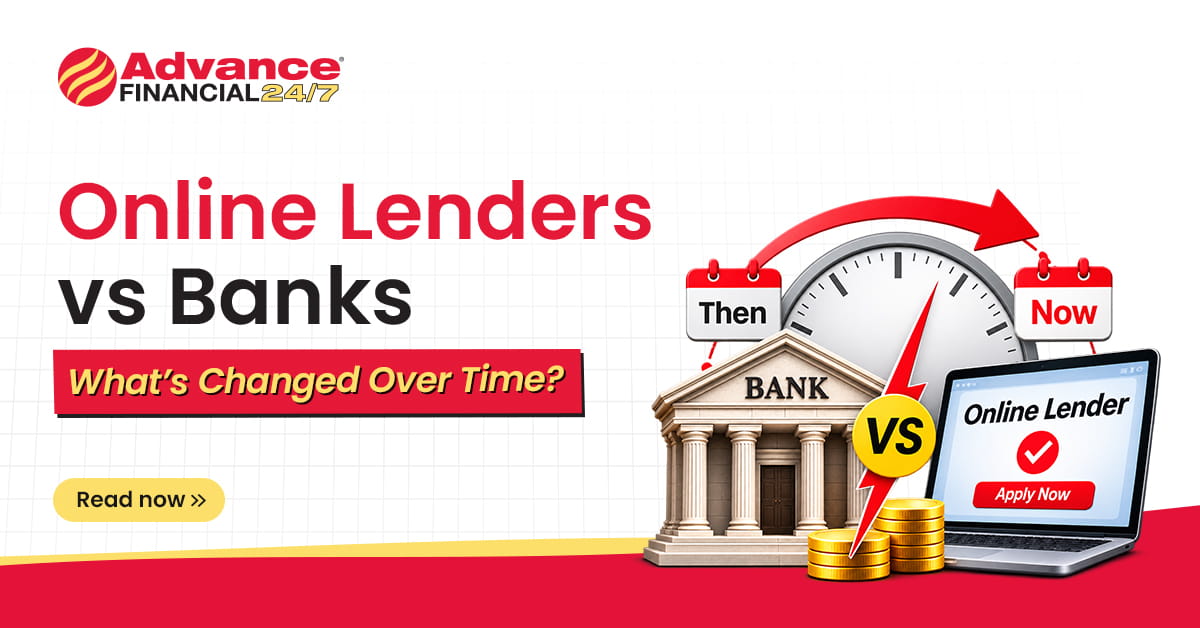
Understanding how online lending has changed the borrowing process is a useful starting point. You can research options, submit information, and manage many loans without visiting a branch. Traditional banks also offer digital services, so the line between online and in-person borrowing isn’t always clear.
Whether you’re considering a bank or another lender, the same question applies: Do you understand who you’re borrowing from and what repayment will involve? Here are the red flags to watch for when choosing a loan provider.
The Provider Won’t Clearly Explain the Cost
You shouldn’t have to guess what a loan will cost. Before accepting an offer, review the annual percentage rate, or APR, along with fees, payment amounts, payment frequency, and the repayment period.
If a representative keeps pointing to a small payment but avoids discussing the total cost, pause. A lower payment may simply mean you’ll be paying for longer. Also, ask whether any fees will be deducted from the money you receive.
When comparing online lending vs bank loans, use the same borrowing amount and repayment timeline whenever possible. Otherwise, an offer may look cheaper simply because its payments are spread over more months. If the provider won’t give you clear written terms, you don’t have enough information to make a decision.
You’re Asked to Pay for Guaranteed Funding
A demand for money to “unlock” a guaranteed loan is a serious warning sign. Be especially cautious if someone requests gift cards, cryptocurrency, or a wire transfer before releasing funds.
Some legitimate loans have disclosed application or origination fees. However, paying a fee should never be presented as a guarantee that you’ll receive a loan. The difference between a disclosed charge and paying for a promise matters.
Approval Sounds Automatic
Be cautious about a provider that guarantees approval before reviewing your application. Lenders may consider different information, but an offer should reflect an actual review of your eligibility.
A lender serving people with limited or imperfect credit isn’t automatically suspicious. The concern is a promise that skips meaningful review, especially when paired with a demand for payment.
You Can’t Verify Who You’re Dealing With
Before entering personal information, confirm the company’s identity and contact details. Check its authority to lend in your state with the appropriate financial regulator. Don’t rely only on an advertisement or a familiar-looking name.
If you’re unsure where to begin, learning how to identify legitimate online lenders can help you approach that research with more confidence. Take that step before sharing sensitive information.
Online Lenders vs Banks Differences: Look Past the Labels
When people compare traditional banks vs online lenders, they often focus on convenience. A branch may offer an opportunity to speak with someone in person, while an online application may fit more easily into a busy day. But neither experience tells you whether a particular loan is affordable.
Be wary of broad claims that online lenders always charge less or that a bank loan is automatically the best choice. Compare the actual product, eligibility requirements, costs, and service available to you.
Also, make sure you’re comparing similar products. An installment loan generally has scheduled payments over a set term. A revolving line of credit works differently, allowing additional borrowing against available credit under the agreement. Applying online doesn’t tell you which structure you’re getting.
You’re Being Rushed Through the Agreement
You might want to resolve an urgent bill quickly, but you still need time to read the terms. If someone discourages questions or insists you accept before understanding the agreement, take a step back.
Ask what happens if a payment is late, whether the rate can change, and how early repayment works. Request clarification on anything that doesn’t make sense. The answers should help you understand your obligation rather than leave you feeling pressured to move on.
There’s No Clear Way to Get Help
Customer support matters after you receive the money, too. Before accepting a loan, find out how to reach the provider, where to access account information, and whom to contact about a payment question.
In a comparison of digital lenders vs banks, consider the kind of help you actually need. If you prefer speaking with someone by phone, check that option. If you manage bills online, make sure you understand how to view your balance and upcoming payments. A service model that doesn’t work for you can make an already stressful situation harder to manage.
The Payment Doesn’t Fit Your Budget
Even a legitimate offer can be the wrong fit. Review the payment alongside housing, utilities, groceries, transportation, and existing debts. Check when payments are due, especially if your income arrives on a different schedule.
It may also help to compare other ways to cover the expense. Understanding online loans vs credit cards differences can give you another way to evaluate borrowing costs and repayment options. If neither payment fits, ask the bill provider about a payment arrangement before taking on new debt.
Choose With a Clear Repayment Plan
A loan decision should leave you knowing what you’re borrowing, what it will cost, and how you’ll repay it. If those answers are missing, take more time before accepting the offer.
Ready to explore your options? Apply for an online loan with Advance Financial to see what’s available in your state. Review the rates, fees, and repayment terms before accepting an offer, and choose an amount that fits your needs and budget. Start your online application today with Advance Financial!