How Lenders Keep Your Personal and Financial Data Safe
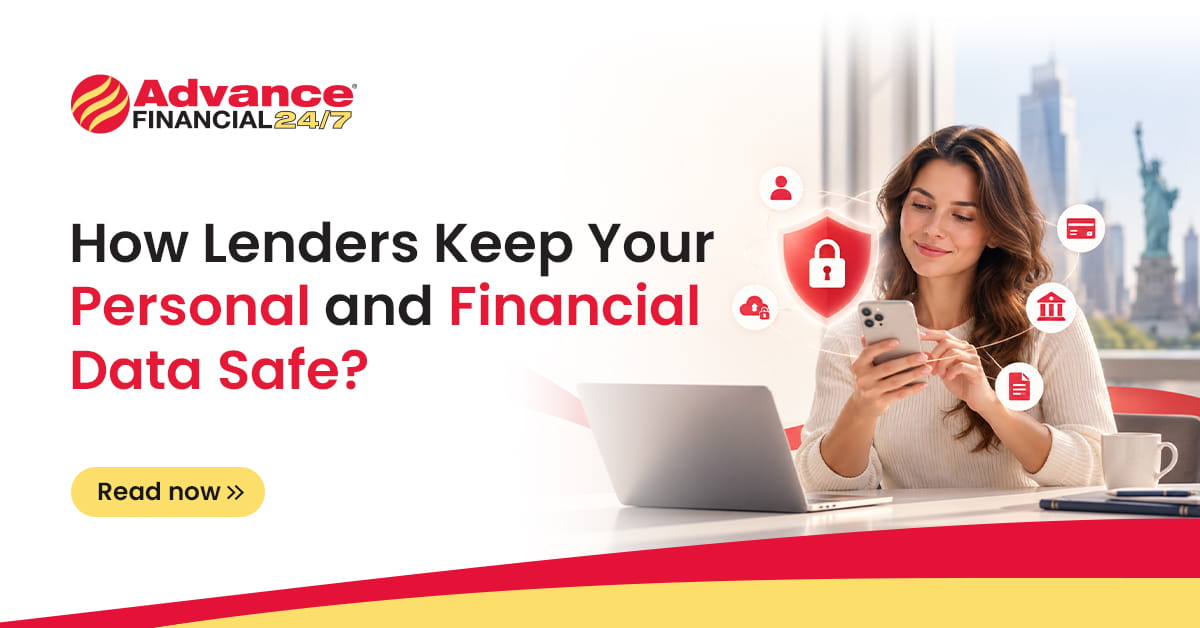
Applying for a loan often requires sharing personal and financial information. You may be asked for details such as your name, contact information, income, employment information, and other financial details needed to review your application.
Naturally, you may wonder what happens to that information after you submit it. Local lending laws by state can vary, but loan data security is always an important part of the online lending process. Reputable lenders use a variety of safeguards designed to protect the information customers provide.
Understanding how lenders protect your data can help you make more informed decisions when applying for a loan online.
Why Financial Data Protection Matters
Personal and financial information can be sensitive, which makes financial data protection an important responsibility for lenders and other financial companies.
When you submit an online loan application, the lender may need certain information to verify your identity, review your application, determine eligibility, or comply with applicable laws and regulations.
Protecting this information helps reduce the risk of unauthorized access, fraud, identity theft, and other security concerns. That’s why reputable lenders typically use multiple layers of security rather than relying on a single protective measure.
1. Secure and Encrypted Websites
One of the most common ways lenders protect information online is through encryption.
Encryption helps make information unreadable to unauthorized parties as it travels between your device and a lender’s website. When you enter information into a secure online application, encryption can help protect that data while it is being transmitted.
Before entering sensitive information online, look for “https” at the beginning of the website address and a secure connection indicator in your browser.
These are basic signs that the website is using a secure connection, although they shouldn’t be the only factors you consider when determining whether a lender is legitimate.
2. Secure Data Storage
Protecting information doesn’t stop once an application is submitted. Lenders may also use security measures to protect information that is stored within their systems.
Depending on the lender and the type of information involved, these measures can include restricted access, encrypted storage, firewalls, security monitoring, and other technical safeguards.
Strong personal information security practices are designed to help prevent people without proper authorization from accessing sensitive customer information.
3. Access Controls
Not every employee at a financial company needs access to every piece of customer information.
Reputable lenders may use access controls that limit sensitive information to employees or systems that need it for legitimate business purposes. This can reduce unnecessary exposure of personal and financial data.
Companies may also use passwords, multi-factor authentication, system permissions, and activity monitoring to help strengthen internal security.
4. Identity Verification
Identity verification is another important part of online loan data safety.
Lenders may take steps to confirm that an applicant is actually the person they claim to be. Depending on the lender and application, this could involve verifying identifying information, requesting documentation, or using other identity verification methods.
These steps aren’t only about determining whether someone qualifies for a loan. They can also help reduce the risk of someone attempting to apply for credit using another person’s identity.
5. Employee Training and Security Policies
Technology is only one part of protecting customer information. Employees also play an important role.
Financial companies may provide employees with training on privacy, cybersecurity, fraud prevention, and the proper handling of customer information. Internal policies can also establish guidelines for how sensitive information should be accessed, shared, stored, and disposed of.
These practices can help create additional layers of protection around customer data.
What You Can Do to Protect Your Information
While lenders have a responsibility to protect the information they collect, consumers can take steps to improve their own security as well.
Before submitting an online loan application, make sure you’re on the lender’s official website and avoid submitting sensitive information while using unsecured public Wi-Fi. Always ensure that you create strong, unique passwords for financial accounts and never send sensitive information through an unverified email, text message, or social media account. Finally, be cautious of unexpected messages asking you to provide personal or financial information. Review the lender’s privacy policy to understand how your information may be collected, used, and shared.
If you’re unsure whether a message or website is legitimate, contact the lender directly using contact information from its official website rather than clicking a link in an unexpected message.
Know Who You’re Sharing Your Information With
Understanding how lenders protect your data is important, but it’s also important to research a lender before providing sensitive information.
Look for clear contact information, privacy policies, security information, and transparent explanations of the lending process. Be especially cautious of websites or messages that pressure you to provide personal information immediately or that seem too good to be true.
A few minutes of research can go a long way toward improving your personal information security when applying for financial products online.
Protect Your Information Throughout the Loan Process
At Advance Financial, keeping our customers’ personal and financial information safe and secure is a priority. We understand that applying for a loan requires you to share sensitive information, and we take that responsibility seriously. Review loan regulations by state to find out if you are eligible.
If you need access to additional funds, you can apply for a loan with Advance Financial through our secure online application process. Get started today to see what options may be available to you.