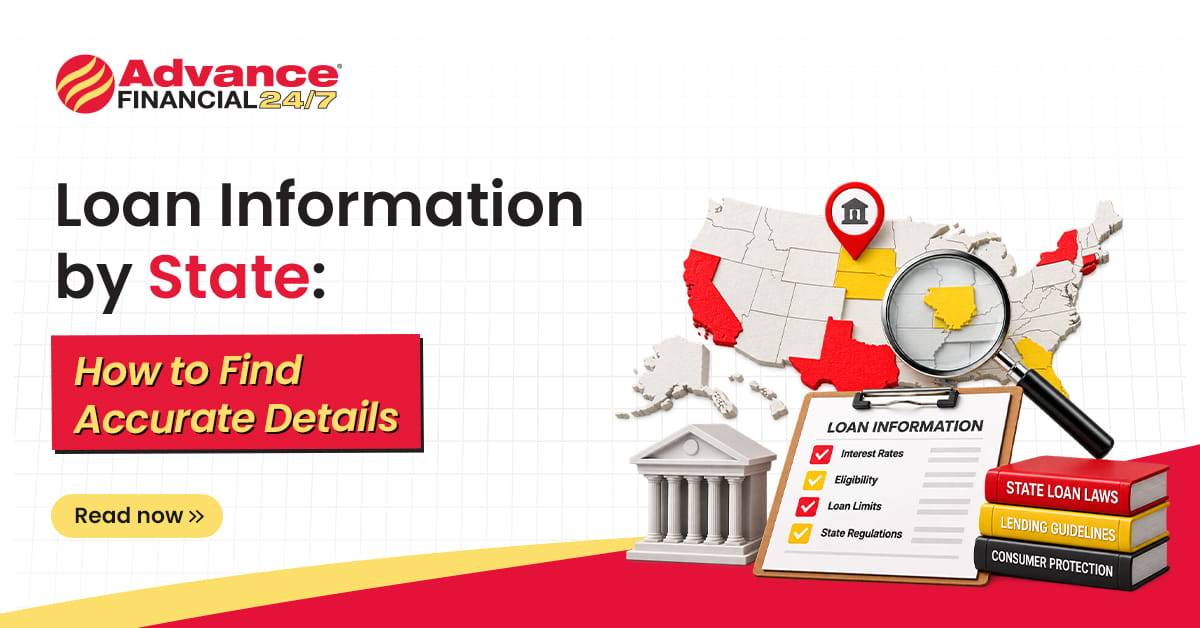
Loan Information by State: How to Find Accurate Details
When researching a personal loan, you may come across conflicting information online. Different websites may reference different loan limits, repayment terms, or eligibility requirements, leaving borrowers wondering which information is accurate. The truth is that loan information by state can vary significantly because each state has its own lending laws and regulations.
Whether you’re considering a personal loan for an unexpected expense, home repairs, medical bills, or another financial need, understanding your state’s lending rules can help you make informed decisions. Knowing where to find reliable information can also help you avoid misinformation and better understand the loan options available to you.
Why Loan Information Varies by State
Consumer lending is regulated at both the federal and state levels. Federal laws establish important consumer protections, while each state has the authority to create additional lending regulations.
As a result, state loan rules and regulations may differ in areas such as maximum loan amounts, repayment periods, interest rate limits, and more.
Because of these differences, loan products available in one state may not be available in another.
Why Accurate Loan Information Matters
Understanding your state’s lending requirements before applying can help you to compare loan options more effectively and better understand repayment expectations. Understanding can also help you to recognize your rights as a borrower.
Using accurate, up-to-date information allows you to make borrowing decisions with greater confidence.
How to Check Loan Laws in Your State
If you’re wondering how to check loan laws in your state, start by reviewing reliable and trustworthy sources.
Some of the best places to find accurate information include:
Your State’s Financial Regulatory Agency
Most states have a department or agency responsible for overseeing consumer lending. These agencies often publish information about licensed lenders, state lending laws and consumer rights
These official resources are typically one of the most reliable places to find current information.
Licensed Lenders
Reputable lenders provide information about the loan products they offer in each state where they operate.
Many lenders explain available loan amounts, repayment options, and required documentation.
Reviewing a lender’s website can help you understand the products available in your area before beginning an application.
Consumer Financial Resources
Educational resources from consumer protection organizations and government agencies can also help explain lending terminology and borrower rights.
These resources can provide general guidance while helping you understand how lending laws work without promoting a specific loan product.
What State-Specific Loan Information Should You Review?
Before applying, it’s helpful to review several important pieces of state-specific loan information.
Loan Availability
Not every lender operates in every state. Before beginning an application, confirm that the lender is licensed to offer loans where you live.
Loan Amounts
Available loan amounts may differ depending on your state’s regulations and the lender’s offerings.
Understanding the available borrowing range can help you determine whether a loan meets your financial needs.
Repayment Terms
States may influence the repayment options lenders can offer.
Review the payment schedules, as well as the payment frequency and early repayment options.
Understanding these details can help you select a loan that fits your monthly budget.
Eligibility Requirements
Eligibility often depends on both lender guidelines and state laws.
You may be asked to provide an ID, proof of income, banking details, or contact information. Some lenders may request additional documentation depending on your situation.
Borrower Protections
Many states establish consumer protections that help ensure fair lending practices.
These protections may include requirements regarding loan disclosures or collection practices.
In the end, knowing your rights can make the borrowing experience more transparent.
How Often Do Loan Regulations Change?
While lending regulations don’t change every day, states periodically update their laws to reflect new legislation, economic conditions, and consumer protection efforts.
Because of this, it’s a good idea to review the most current information before applying rather than relying on older articles or outdated online discussions.
Working with a licensed lender can also help ensure you’re receiving information that reflects current legal requirements.
Tips for Finding Reliable Loan Information
When researching loan regulations by state, keep these best practices in mind:
- Use official state government websites whenever possible.
- Verify that a lender is licensed in your state.
- Compare information from multiple reputable sources.
- Look for recently updated resources.
- Read the loan agreement carefully before accepting any offer.
- Ask questions if anything about the loan terms is unclear.
Taking these steps can help you avoid misinformation and make more informed financial decisions.
Finding accurate loan information by state is an important first step before applying for a personal loan. Because state loan rules and regulations can vary, understanding the laws where you live can help you compare options, understand repayment expectations, and know your rights as a borrower.
By learning how to check loan laws in your state and relying on trusted sources, you’ll be better prepared to choose a loan that aligns with your financial needs and goals.
Apply with Advance Financial
If you’re ready to explore your borrowing options, Advance Financial makes it easy to get started. Complete our online application to view the loan options available in your state. Our team is committed to providing clear information, answering your questions, and helping you navigate the borrowing process with confidence.